Headlines
BREAKING: Trump Considers Targeting Supreme Leader Ayatollah, President Masoud In Iran

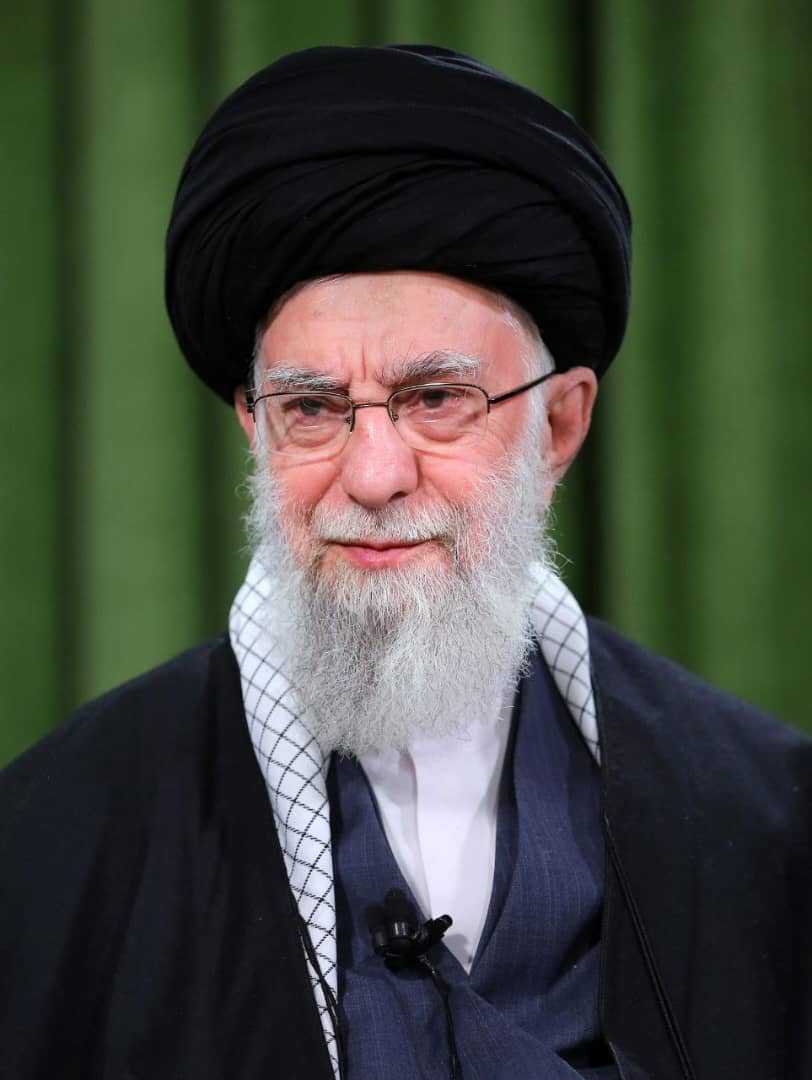
President Trump is considering targeting Supreme Leader Ayatollah, President Masoud Pezeshkian and other Iranian top leaders after failed diplomatic talks.
President Donald Trump is weighing a major new strike on Iran after preliminary discussions between Washington and Tehran over its nuclear and ballistic missile programs failed.
Brand News Day reports that Trump is now considering airstrikes aimed at Iranian leaders and security officials believed to be responsible for the killing of protesters during the recent anti-government protests, as well as strikes on Iran’s nuclear sites and government institutions.
According to CNN, President Donald Trump is weighing a major new strike on Iran after preliminary discussions between Washington and Tehran over limiting the country’s nuclear program and ballistic missile production failed to make progress, according to people familiar with the matter.
Trump’s latest threats were met with indignation by Tehran, which vowed an immediate response to any US military action, with one top adviser to Supreme Leader Ayatollah Ali Khamenei threatening to target Israel if an attack goes ahead.
It’s a rapid refocusing of the US administration’s publicly framed objectives for Iran and comes only weeks after Trump seriously considered military action he framed as potential aid for nationwide protests in Iran. Protesters had faced violent crackdowns by security forces, leading to thousands of killings.
Trump on Wednesday posted on Truth Social, demanding that Iran come to the table to negotiate “a fair and equitable deal – NO NUCLEAR WEAPONS.” He warned the next US attack on the country “will be far worse” than the one it carried out last summer, when the US military attacked three of Iran’s nuclear sites.
Options he is now considering include US military airstrikes aimed at Iran’s leaders and the security officials believed to be responsible for the killings, as well as strikes on Iranian nuclear sites and government institutions, the sources said. Trump has not made a final decision on how to proceed, sources said, but he believes his military options have been expanded from earlier this month now that a US carrier strike group is in the region.
The USS Abraham Lincoln Carrier Strike Group entered the Indian Ocean on Monday and is continuing to move closer to Iran, where it could support any potential operations against the country, both in terms of aiding in strikes and in protecting regional allies from potential Iranian retaliation.
The US and Iran had been exchanging messages — including through Omani diplomats and between Trump’s foreign envoy Steve Witkoff and Iran’s foreign minister, Abbas Araghchi — earlier this month about a possible meeting to ward off a US attack, which Trump had been threatening in response to protesters’ deaths, the sources said.
There was a brief discussion of an in-person meeting, but that never came to fruition, one source said. There have been no serious direct negotiations between the US and Iran as Trump has ramped up his threats of military action in recent days, according to another person familiar with the matter.
It’s not clear why Trump has since shifted his focus back to Iran’s nuclear program, which he said last summer had been “obliterated” by US strikes. But Iran has been trying to rebuild its nuclear sites even deeper underground, according to a person familiar with recent US intelligence on the issue, and has long resisted US pressure to halt its uranium enrichment. The regime has also barred the UN’s nuclear watchdog from inspecting its nuclear sites.
Amid the threats of military action, the US has also demanded preconditions for a meeting with Iranian officials, the sources said, including a permanent end to uranium enrichment central to Iran’s nuclear program, new curbs on Iran’s ballistic missile program and halting all support for Iranian proxies in the region.
The biggest sticking point, sources said, has been the US demand that Iran agree to put limits on the range of its ballistic missiles — an acute concern for Israel, which expended much of its missile interceptor stockpile shooting down Iranian ballistic missiles during last June’s 12-day war. Iran has baulked at that and told the US it would only discuss its nuclear program. The US has not replied, leaving both sides at a dead end, the sources said.
A US official on Monday said the administration is still willing to engage with Iran as long as “they know what the terms are.”
“We are open for business…as they say, so if they want to contact us and they know what the terms are, then we’re going to have the conversation,” the official told reporters.
The official would not give details on the terms but said, “They’ve been reported throughout this entire beginning of the Trump administration, so they’re aware of the terms.”
Iran’s top diplomat Araghchi warned Wednesday that the country’s armed forces are fully prepared to respond “immediately and powerfully” to any aggression against Iran’s territory, airspace or waters.
“Our brave Armed Forces are prepared — with their fingers on the trigger — to immediately and powerfully respond to ANY aggression against our beloved land, air, and sea,” Araghchi wrote in English on X. The Iranian Foreign Ministry said the remarks were in response to threats from Trump.
Ali Shamkhani, a key adviser to Supreme Leader Khamenei, warned on X that any military action would be considered the start of war and vowed an “unprecedented” response, specifically naming Tel Aviv as a target.
Oil prices rose on Wednesday and continued their climb on Thursday as investors worried that global oil supply might be disrupted if the United States attacked Iran. Brent, the global oil benchmark, topped $70 a barrel earlier on Thursday.


