Headlines
IRC Warns Alarming Malnutrition Levels Raise Famine Risk In Parts Of South Sudan As Humanitarian Access, Funding shrink,


The International Rescue Committee (IRC) warns that hunger and malnutrition are rapidly worsening in South Sudan, as conflict, flooding, economic decline and aid disruptions drive a dangerous expansion of emergency conditions.
New projections indicate that by May of this year, nearly half of the counties across South Sudan, 35, are expected to face emergency levels of food insecurity, more than double the number recorded in December 2025.
Several counties, including Nasir, Ulang, Longechuk and Panyikang in Upper Nile; Fangak and Canal/Pigi in Jonglei; and Rubkona Panyijiar in Unity, are expected to remain of greatest concern through May. In inaccessible areas of Nasir and Fangak, some households are already projected to face famine conditions. Rising insecurity has repeatedly disrupted aid delivery, forcing pauses in food assistance and the evacuation of humanitarian staff from parts of Upper Nile and Jonglei, limiting the impact of planned aid.
Richard Orengo, IRC South Sudan Country Director, said, “It is incredibly alarming that a risk of Famine (IPC Phase 5) may persist in counties like Nasir through at least May 2026. Should humanitarian access continue to be blocked or significantly restricted due to insecurity, famine is likely.
“At the same time, the intensifying conflict in neighbouring Sudan has driven new refugee arrivals into South Sudan. The conflict continues to threaten oil exports, which are transported through Sudan, a critical lifeline for the economy. Any prolonged disruption would further accelerate food prices, deepen economic hardship and push more communities into emergency and catastrophic hunger.
“South Sudan is at a breaking point. Women and children are bearing the brunt of this crisis. We are seeing alarming levels of acute malnutrition across the country, driven by conflict, unreliable climatic conditions, rising prices and repeated interruptions to aid. Without sustained access and urgent funding, more families will slide into catastrophe, and lives will be lost to causes we know how to prevent.
“The trajectory is clear and deeply worrying. This crisis is not inevitable. With timely funding, safe humanitarian access and sustained international attention, we can prevent famine and protect children’s futures. The world must not look away.”
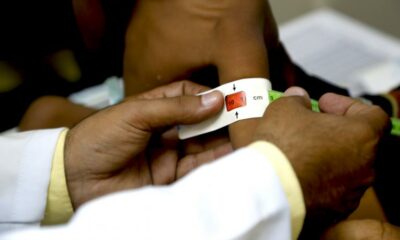
The IRC has been responding to malnutrition across South Sudan, especially through integrated health and nutrition services, including cash for food, community-based treatment of acute malnutrition, support to stabilisation centres for severely malnourished children, maternal and infant nutrition programs, and outreach to identify and refer at-risk children early. IRC teams also provide protection services, clean water, sanitation and hygiene services, and work with communities to prevent disease outbreaks that worsen malnutrition, particularly during the lean and flood seasons.
South Sudan is ranked third among the world’s most fragile crises on the IRC’s Emergency Watchlist, reflecting the scale of humanitarian need and the compounding risks facing civilians. Yet funding cuts threaten to delay the 2026 lean season response, which is meant to reach an additional 18 counties until May, precisely when needs are expected to peak.
The IRC calls on donors and the international community to urgently scale up funding for life-saving nutrition, health and food assistance, and to press for unimpeded humanitarian access across South Sudan before conditions deteriorate further. Additionally, IRC calls on the country’s leaders to prioritise the implementation of the 2018 peace deal to promote stability in the country.
For over three decades, the IRC has stood with communities in South Sudan, responding to the urgent needs of those affected by conflict, displacement and disaster. As one of the country’s largest humanitarian actors, we reach over one million people with services in health, nutrition, protection, education, and economic empowerment. In South Sudan, the IRC’s work is not only lifesaving, but it is also life-restoring, helping individuals and families rebuild with dignity and hope.